Fire Is More Than Warmth
When you’re outdoors, fire means safety, comfort, and community. But in 2025, survival isn’t about rubbing sticks together — it’s about mastering both traditional fire-starting techniques and modern cooking tools.
This skill guide will walk you through the essentials of fire starting & cooking so you can prepare hot meals, boil water, and stay safe in any outdoor setting.
Step 1 — Understand the Fire Triangle
To build a fire, you need three things:
- Heat — the spark or ignition.
- Fuel — wood, gas, or firestarter.
- Oxygen — air circulation.
If one is missing, your fire won’t catch or will die out.
Step 2 — Collect and Prepare Your Fuel
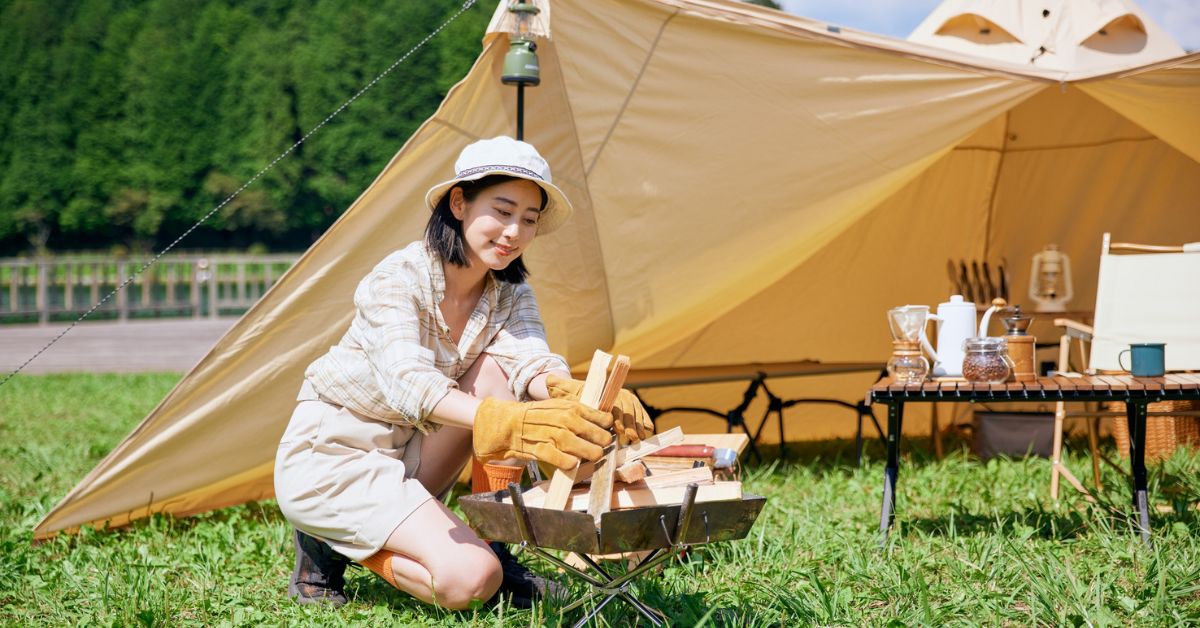
- Tinder: Dry leaves, cotton balls, or waxed paper.
- Kindling: Sticks smaller than your thumb.
- Fuel wood: Logs wrist-thick or larger.
Always collect twice as much as you think you’ll need — fires consume wood fast.
Step 3 — Choose Your Ignition Method
There are many ways to light a fire:
- Matches (waterproof preferred).
- Ferro rods or flint and steel.
- Lighters.
- Modern tools like electronic igniters.
For hassle-free ignition, the Camping Stove Pulse Igniter is a compact lifesaver. It works reliably in damp or windy conditions, sparking your stove without the need for matches or disposable lighters. Toss it in your emergency tools & equipment kit and you’ll always have a fire-starting backup.
Step 4 — Set Up Safe Cooking Options
Open campfires aren’t always practical (or legal). That’s where portable stoves shine.
The Widesea Camping Gas Stove is lightweight, efficient, and designed for fast boiling or simmering. Perfect for hikers or campers who want reliable cooking gear without bulky equipment, it pairs well with compact cooking & camp kitchen gear.
Pro Tip: Always set stoves on level ground and away from the tent fabric or dry brush.
Step 5 — Store Fuel Safely
Carrying gas tanks and fuel canisters comes with risk if they’re unprotected.
The Camping Gas Tank Storage Bag keeps fuel secure, organized, and safe from punctures. Plus, it makes transporting your emergency tools & equipment easier while preventing messy leaks.
Step 6 — Master Outdoor Cooking Techniques
Once you’ve got fire or a stove going, here are three key cooking methods:
- Boiling — Safest way to make water drinkable and cook staples like rice or pasta.
- Grilling — Use a grate over coals for meats and vegetables.
- Simmering — Essential for soups, stews, or one-pot meals.
Pack smart utensils (like foldable sets) to avoid improvising with sticks.
Step 7 — Fire Safety and Leave No Trace
- Always clear the fire area down to bare soil or use a fire pan.
- Keep water and a shovel nearby to extinguish flames.
- Never leave fires unattended.
- Scatter cool ashes and restore the ground when you leave.
Quick Fire & Cooking Checklist
- Ignition: Camping Stove Pulse Igniter + matches.
- Cooking: Widesea Camping Gas Stove + lightweight cookware.
- Fuel Storage: Camping Gas Tank Storage Bag.
- Cooking Gear: Foldable utensils, pots, and pans.
- Safety: Water, shovel, and awareness of fire regulations.
Skills First, Gear Second
Whether you’re simmering a stew at basecamp or boiling water miles into a hike, mastering fire starting & cooking means you’re ready for anything. With smart tools like the Widesea Camping Gas Stove, Camping Stove Pulse Igniter, and Camping Gas Tank Storage Bag, you can cook safely and efficiently — without stress.
Explore more Cooking & Camp Kitchen Gear, Fire Starting Tools, and Food & Water Supplies at PackAndCamp.com.
0 Comments